Neurodivergent
Neurodivergent describes a person whose brain processes, learns, communicates, or experiences the world in ways that differ from what is considered neurotypical. Neurodivergence can include autism, ADHD, dyslexia, dyspraxia, Tourette syndrome, and other differences in attention, learning, sensory processing, communication, or executive functioning.
Being neurodivergent is not the same as having a mental health condition, though neurodivergent people may also experience mental health needs such as anxiety, depression, burnout, or stress. Support should be individualized because each person’s strengths, challenges, preferences, and care needs can look different.In the workplace, neurodivergent employees may benefit from clearer communication, flexible work practices, sensory-aware environments, assistive tools, manager support, and inclusive benefits. Employers can help by reducing stigma, making accommodations easier to request, and ensuring employees have clear access to care when they need mental health support.
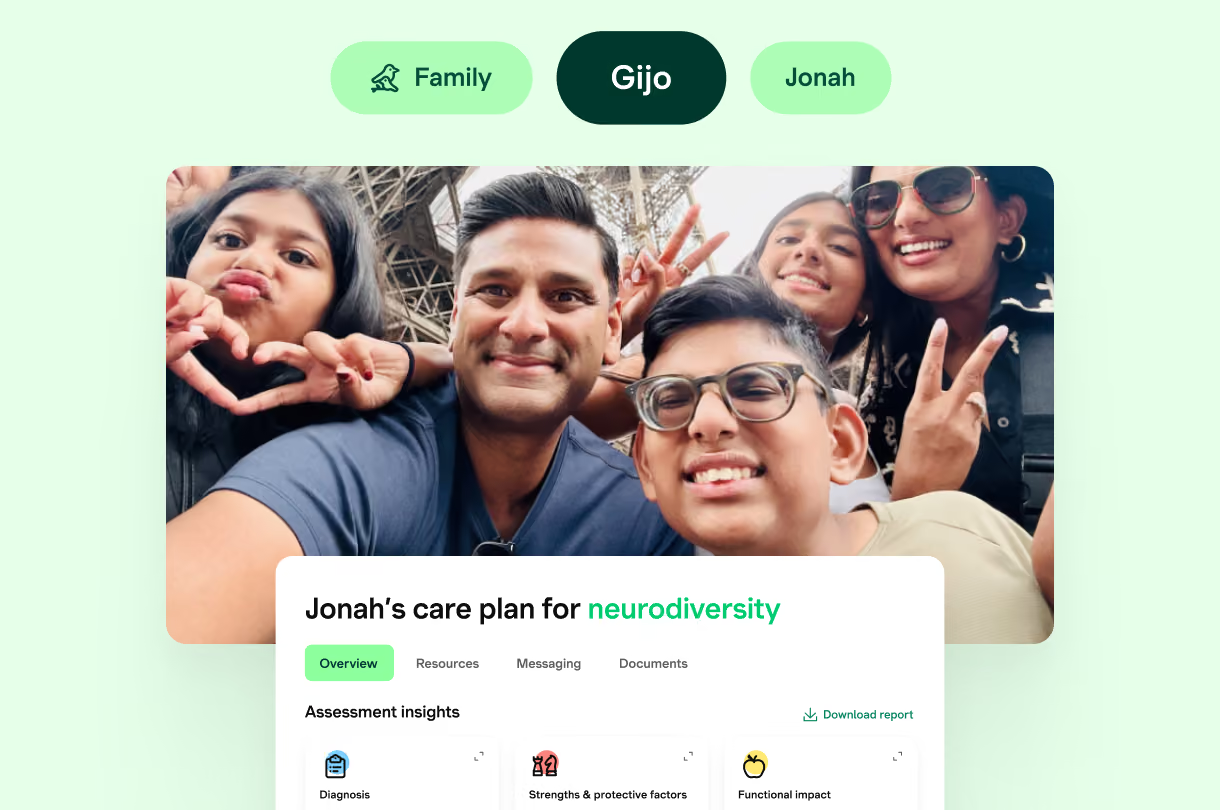
A strong mental health solution should recognize that neurodivergent people may need care that is personalized, affirming, and responsive to how they experience work and daily life. That can include therapy, coaching, family support, medication management when appropriate, and care navigation that helps people find providers who understand neurodivergence.




.avif)
.png)
.png)


.avif)
.avif)



.avif)
.avif)



.avif)



.avif)