


Blog highlights
- A mental health leave of absence is often a late signal that stress, burnout, or unmet clinical needs.
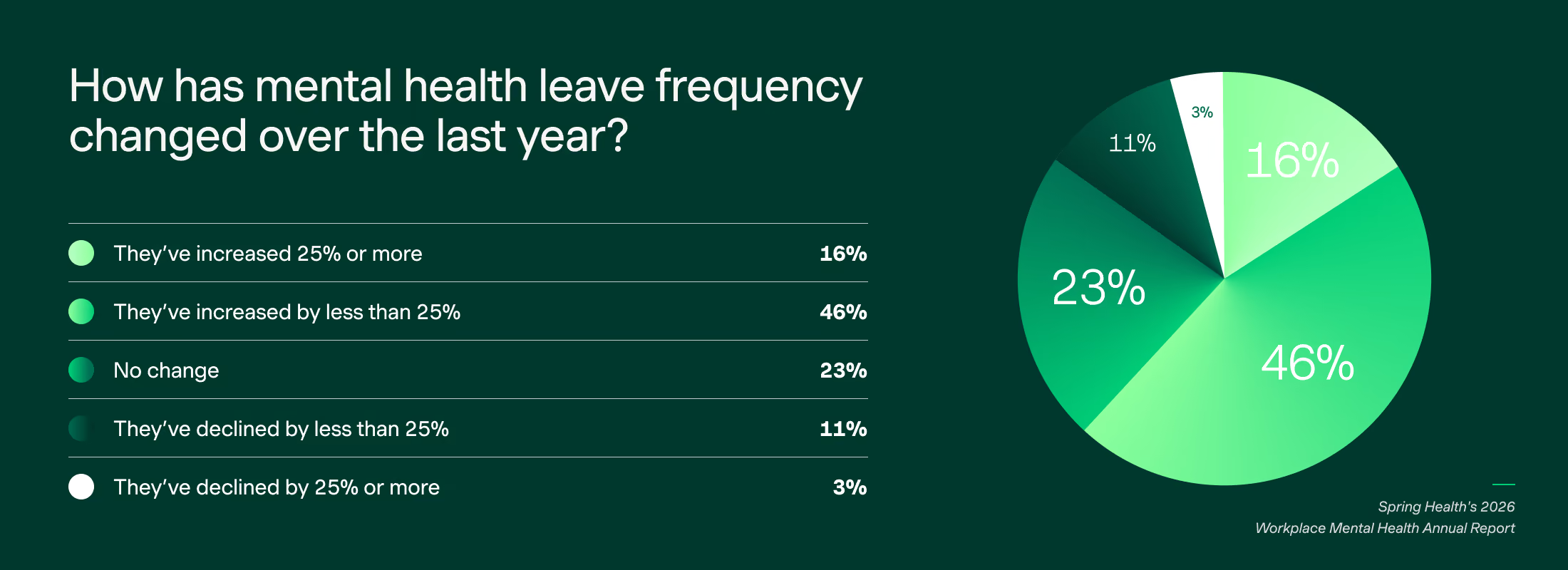
- Spring Health research found that 61% of HR professionals say mental health leaves have increased in their organizations over the past year.
- Employers can reduce avoidable leaves by improving access to care, helping managers spot early warning signs, and making the leave process easier to navigate.
A mental health leave of absence is rarely the starting point.
By the time an employee takes mental health leave from work, they may have spent weeks trying to keep up while struggling with burnout, anxiety, depression, trauma, substance use, caregiving strain, financial stress, or another mental health need.
“Leave is usually the output,” said Kelsey Witmer, VP of Total Rewards and People Operations at Spring Health. “It’s the final signal that flares up when early warnings go unnoticed, manager support is inconsistent, or care is simply too hard to access.”
What the latest research reveals about mental health leaves
For HR leaders, that signal is getting louder. Spring Health research of 500+ HR professionals across five countries for our 2026 Workplace Mental Health Annual Report found:
- 61% say mental health leaves have increased within their organizations over the past year.
- 16% say mental health leaves have increased by 25% or more.
- 40% cite rising mental health disability and leave claims as a top concern keeping them up at night.
Mental health leave is a workforce issue, a clinical issue, and a business issue. Employers need more than leave administration. They need a proactive mental health strategy that helps employees get the right care earlier, reduces avoidable leaves, and supports a healthier return to work when leave is needed.
What is a mental health leave of absence?
A mental health leave of absence is time away from work so an employee can focus on their mental health, treatment, and recovery.
Depending on the employee’s location, employer policy, benefit design, and clinical need, mental health leave may fall under:
- Medical leave
- Disability leave
- Sick leave
- Family and medical leave
- An accommodation process
- Another absence policy
The exact process varies by organization and jurisdiction, so HR teams should work closely with legal counsel, leave administrators, and benefits partners.
In practice, mental health leave from work may be used when an employee cannot safely or effectively perform their job duties because of a mental health condition or related symptoms. That may include severe burnout, depression, anxiety, trauma, substance use disorder, an eating disorder, a severe mood condition, or another concern that requires time and treatment.
The goal should not be to avoid every leave. Some leaves are clinically appropriate and necessary. The goal is to reduce avoidable leaves, make needed leaves easier to navigate, and help employees return with care still in place.
Why are mental health leaves increasing?
Mental health leaves are rising for a variety of reasons, but there are indicators that employee strain is rising, and many people still do not get support early enough.
1) Stress and burnout are escalating into absences
HR professionals in Spring Health’s survey estimate that 30% of employees are experiencing “silent burnout,” defined as a slow, undetected state of exhaustion where people maintain the appearance that everything is fine while running on empty.
That matters because burnout often shows up before a formal leave request. Employees may miss deadlines, withdraw from teammates, cancel meetings, or show signs of presenteeism. Approximately 40% of burned-out employees reported presenteeism, which can create a sustained drag on performance long before an employee files a claim.
Managers are part of the picture, too. Among HR professionals in Spring Health’s survey who said they are seeing the highest mental health leave increases, 51% said rising stress and burnout among managers was an emerging mental health trend that concerned them over the next year.
2) Financial and caregiving strain are compounding the mental load
Employees are also carrying stress from every part of life.
Spring Health also surveyed 1,500+ full-time employees across five countries and found:
- 59% of employees said their financial stress has increased over the past five years.
- 74% said financial stress has significantly affected their mental health.
For employees caring for children and aging parents, the pressure can become even heavier. When caregiving, financial stress, and job demands build without a clear path to support, mental health leave may feel like the only remaining option.
3) Traditional EAP models often miss the early-warning window
Many employers offer an Employee Assistance Program, but utilization is often low. Average EAP utilization is about 4%, which means most employees do not use the support available to them.
The lack of utilization shouldn’t be confused with a lack of demand. Research for Spring Health’s 2026 Workplace Mental Health Annual Report found that 69% of employees say mental health benefits are very or extremely important to their job decisions. Among younger employees, that’s even more true, with 83% of employees ages 18 to 34 saying mental health benefits are very or extremely important to their job decisions.
When only a small fraction of the workforce uses a benefit, that benefit cannot meaningfully reduce the risk of mental health leave across the population. Employees cite lack of time, cost concerns, and confusing access points as barriers to seeking mental healthcare.
For higher-acuity needs, including substance use disorder, eating disorders, trauma, or severe mood and anxiety conditions, employees may need more than a limited-session model or a referral list. They need timely access, clinical guidance, and a care pathway that fits their needs.
Watch below: Spring Health Chief People Officer Karishma Patel Buford shares her thoughts on the rise of mental health leaves during our recent webinar where she released our findings for our 2026 Workplace Mental Health Annual Report. Watch the full webinar here.
Why mental health leave is a business issue
- Direct leave costs. Mental health leave can create salary continuation costs, administrative overhead, backfill expenses, overtime, and lost productivity. When a newer employee goes on leave, the organization may lose the time and money invested in recruiting, onboarding, and ramping that person.
- Medical trend impact. Unaddressed mental health needs can affect physical health, emergency room use, pharmacy spend, and total healthcare costs. When mental health needs go unsupported, the impact often shows up beyond the leave claim itself.
- Team strain. When one employee goes on leave, the work often shifts to teammates. That can increase stress for the rest of the team and raise the risk of additional burnout or future leaves.
- Incomplete recovery. A leave policy alone does not improve outcomes. Time away can help, but employees also need treatment, care coordination, and return-to-work support. Without that, leave can become rest without enough healing, and the employee may struggle again after returning.
How employers can reduce avoidable mental health leaves
The employers that manage mental health leave well focus on the full journey: before leave, during leave, and after return to work.
1. Improve access before leave becomes the only option
Earlier support can reduce the chance that stress or symptoms escalate into a leave.
Employers should make it easy for employees to find care, understand available benefits, and get matched to the right level of support. That includes:
- Clear communication.
- Simple entry points.
- Manager guidance.
- Fast access to therapy, coaching, medication management, or specialty care when needed.
Spring Health’s model is built around fast access and the right level of care. Provider appointments are available in less than a day in the U.S., versus a 48-day average with traditional EAPs.
2. Train managers to spot early signals
Manager mental health training is a vital component to reduce avoidable leaves of absence. Managers should not diagnose mental health conditions. They should know how to notice changes, respond with care, and connect employees to appropriate resources.
Early signals may include:
- Missed deadlines.
- Withdrawal.
- Sudden changes in performance.
- Increased conflict.
- Visible exhaustion.
- Repeated last-minute absences.
A manager’s role is to open a supportive conversation, reduce stigma, and guide the employee toward HR or available mental health benefits.
3. Make the leave process easier to navigate
When leave is needed, confusion adds stress.
Employees should know what steps to take, who to contact, what documentation may be required, and what support is available. HR teams should coordinate communication across leave administrators, benefits teams, managers, and care partners so employees are not left to figure it out alone.
A stronger process includes:
- At intake: Remind employees what care options are available.
- During leave: Share care pathways and check-in expectations.
- Before return: Clarify next steps and any accommodations process.
- After return: Normalize ongoing care and manager support.
4. Keep employees connected to care during leave
Mental health leave should be part of a broader care journey.
Employees may need therapy, medication management, coaching, specialty care, or other support while they are away from work. Employers should make sure the benefit ecosystem supports treatment, not only time away.
That means helping employees move from “I need leave” to “I know what care I can access, and I know what happens next.”
5. Support return to work with care still in place
Returning to work does not mean recovery is finished.
Employees may need a thoughtful re-entry plan, manager support, schedule flexibility, accommodations, or continued mental health care. HR teams can help by setting clear expectations, reducing stigma, and making sure employees know they can continue using care after leave ends.
The goal is a sustainable return, not a fast return that leads to another leave.
How Spring Health helps employers manage mental health leave
Spring Health helps organizations connect employees to the right care earlier, before challenges escalate into avoidable leave.
Through one mental health platform, employees can access therapy, coaching, medication management, self-guided support, crisis support, and specialty care. HR leaders get a partner that helps improve access, support employees through higher-acuity needs, and show whether mental health benefits are working.
Spring Health is independently validated for clinical and financial outcomes, including 92% of members reliably improving or recovering from depression or anxiety and a 52% reduction in total mental health claims costs for employers.
Mental health leave will always be necessary for some employees. But when support is easier to access, care is better matched, and return to work is treated as part of recovery, employers can reduce avoidable leaves and help people come back with the right support around them.
FAQ
What is a mental health leave of absence?
A mental health leave of absence is time away from work so an employee can focus on treatment, recovery, and mental health needs. It may fall under different leave, disability, sick time, or accommodation policies depending on the employee’s location and employer policy.
Can an employee take mental health leave from work?
In many cases, yes. Whether an employee can take mental health leave from work depends on the organization’s policies, applicable laws, eligibility, documentation requirements, and clinical circumstances. HR teams should coordinate with legal counsel and leave administrators.
What conditions may qualify for mental health leave?
Mental health leave may be relevant for conditions or symptoms that affect an employee’s ability to work safely or effectively. Examples can include depression, anxiety, severe burnout, trauma, substance use disorder, eating disorders, or severe mood conditions. Eligibility depends on the specific situation and policy.
How can employers reduce mental health leave?
Employers can reduce avoidable mental health leaves by improving access to care, training managers to recognize early warning signs, simplifying benefit navigation, supporting employees during leave, and helping employees return to work with care still in place.
Is mental health leave always avoidable?
No. Some mental health leaves are clinically appropriate and necessary. A strong employer strategy does not try to prevent every leave. It helps employees get care earlier, makes needed leave easier to navigate, and supports recovery before and after return to work.
What should HR do when an employee asks for mental health leave?
HR should respond with care, explain the process clearly, protect confidentiality, connect the employee to the right leave or accommodation resources, and remind them of available mental health benefits. HR should also coordinate with legal counsel, leave administrators, and benefits partners as needed.
How does Spring Health support mental health leave prevention?
Spring Health helps employees access care earlier and get matched to the right level of support. That can include therapy, coaching, medication management, specialty care, crisis support, and self-guided resources. For employers, earlier access and better care pathways can reduce avoidable leaves and support more sustainable returns to work.




.png)


.avif)
.avif)


.avif)

.avif)
.avif)
