.avif)
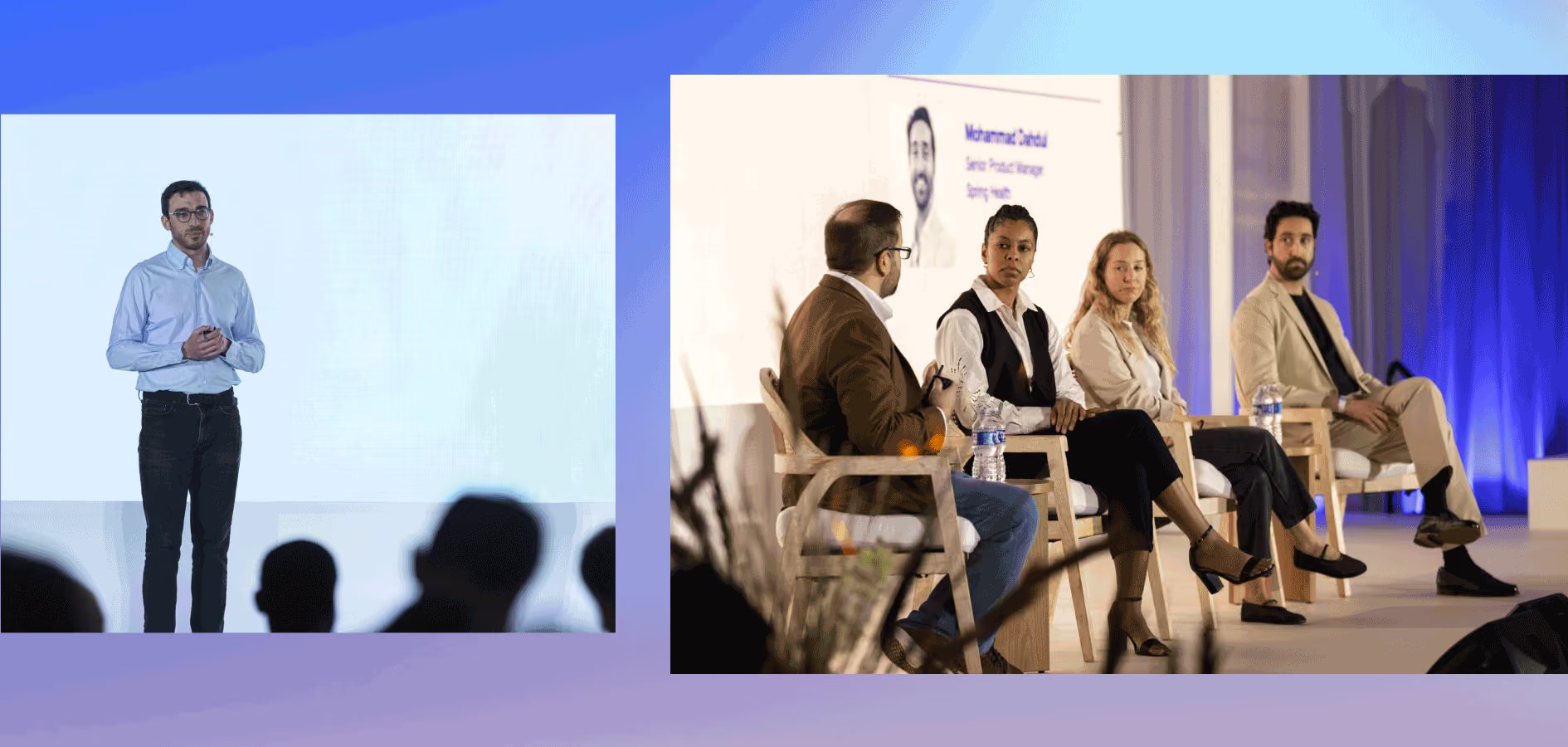
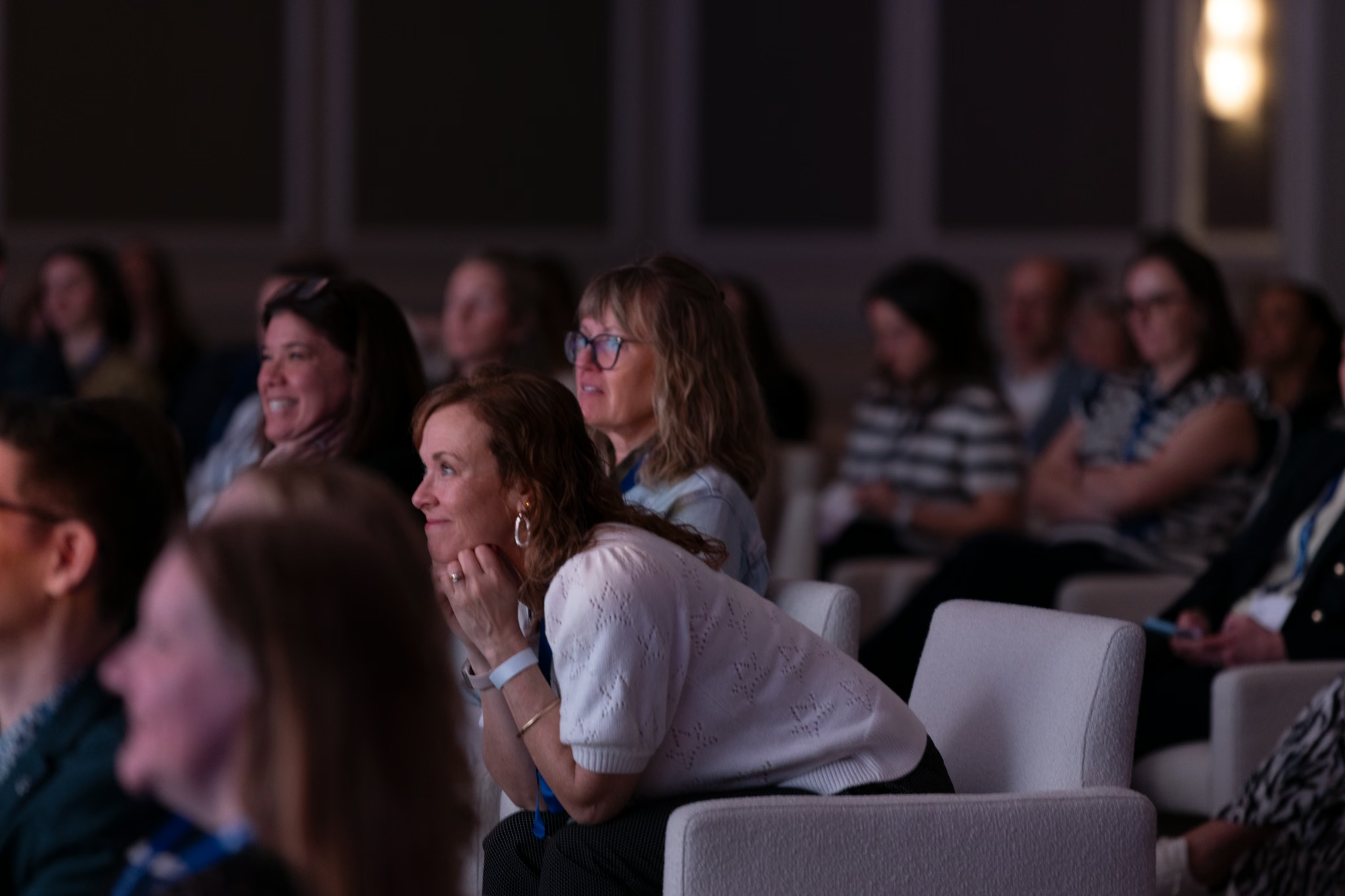
HR, benefits, and health plan leaders gathered for two days of candid conversation last week at Tidal 2026 in Hilton Head, S.C. The topics? What’s changing in the world of work, what it’s doing to people, and what the next standard for workplace mental health must look like.
Tidal has always been built differently: Invitation-only by design, with the people in the room shaping the future of workplace mental health. This year’s theme, “Waves of Change,” captured what leaders are up against right now: Constant motion, rising expectations, and accelerating technology.
Across keynotes, panels, and conversations off stage, one message came through clearly: Mental health can’t be treated as a static benefit in a dynamic world. The leaders who make progress in 2026 and beyond will be the ones who build systems that move with people and help their organizations ride change with intention.
Below are the five themes that defined Tidal 2026 and the leadership moves they point to next.
1) When uncertainty accelerates, performance suffers. Leaders have to become “hope holders.”
Change fatigue is no longer a soft concept. It’s a measurable force in the brain and the workplace. In periods of constant uncertainty, people lose focus, confidence, and a sense of control. Trust and empathy aren’t just cultural nice-to-haves; they’re drivers of engagement and performance.
The practical takeaway wasn’t “be nicer.” It was build psychological safety that:
- Equips managers to recognize stress early and respond consistently.
- Communicates change with clarity and cadence.
- Normalizes support so people don’t have to “earn” care by reaching a breaking point.
This matters even more as AI reshapes roles and expectations while also driving anxiety. The workforce isn’t stabilizing. It’s adapting constantly. And mental health needs will become more dynamic, not less.
Check out the Tidal highlight reel below, or keep reading for more insights.
2) Reinventing HR means treating wellbeing as a strategic asset
One of the most resonant throughlines at Tidal was how much the HR role has expanded. Today’s senior people leaders aren’t just stewards of employee experience. They’re business strategists, culture architects, and catalysts for transformation.
That’s why the conversation moved beyond “adding more benefits” and toward managing employee mental health and wellbeing like an asset within a broader benefits portfolio. Tips for HR included:
- Doubling down on what drives outcomes.
- Cutting what doesn’t.
- Demanding real performance data from solutions and vendors.
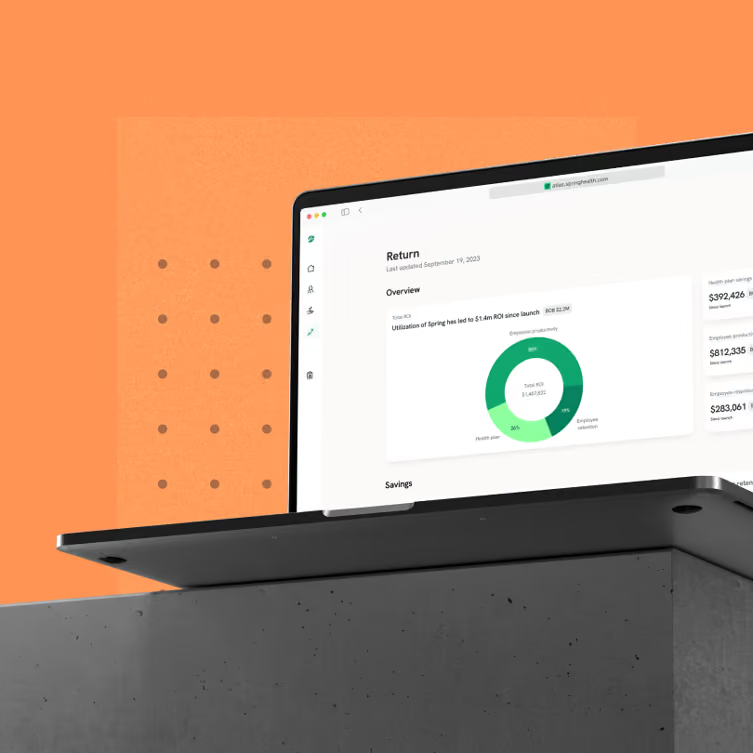
Your benefits portfolio should perform as hard as the rest of the business. That means leaders need real-time visibility and outcomes that stand up in a finance conversation.
3) Mental health is a cost-containment lever hiding in plain sight
Rising healthcare costs are one of the most relentless waves leaders are navigating, and Tidal made a strong case that behavioral health is one of the most powerful levers available.
A key shift in framing: Untreated behavioral health often shows up first as medical spend, disability/leave, turnover risk, and productivity loss. If you only look at behavioral health as a line-item benefit, you’ll miss where the real cost lives.
The takeaway for HR and benefits leaders: Cost containment doesn’t just come from tougher plan design. It comes from getting people into the right care earlier, before needs escalate into higher-cost outcomes across the system.
4) AI is already part of mental health. Safety standards is how leading organizations will stand out.
At Tidal, the AI conversation was refreshingly direct: This isn’t a “future” debate. Employees are already using AI tools for support, and the risk isn’t theoretical.
That’s why the focus wasn’t, “Should we use AI?” It was “What does responsible AI require?”
- Clear safety standards
- Clinical governance and oversight
- Transparent evaluation
- Escalation paths for high-risk situations
In mental health, hallucinations, missed crisis signals, bias, or privacy failures aren’t small product bugs. They can cause real harm. Leaders left with a sharper viewpoint: Don’t buy AI because it’s impressive. Buy it because it’s safe, evaluated, and built to protect people.
5) Specialty care and crisis response can’t be fragmented
Tidal also pushed leaders to confront a hard truth: For high-risk employees, the status quo is often a fractured care model that fails both the person and the organization.
Two areas stood out:
- Specialty care: When support for substance use, eating disorders, and trauma is siloed, employees face delays and disjointed handoffs—while employers absorb downstream medical and productivity costs. Integrated specialty care isn’t an add-on; it’s becoming a must-have.
- Crisis response: In high-stakes moments, such as loss, violence, and community tragedy, HR leaders need more than good intentions. They need visibility, trust, and a response system they don’t have to carry alone, with structured follow-through that extends beyond a single session.
The throughline across both: Workplace mental health is not a side initiative. It’s a leadership responsibility and a strategic lever for resilience, trust, and performance.
Leading through the next wave
If Tidal 2026 could be summed up in one idea, it’s this: The world won’t slow down, so support can’t stay still. The leaders who will shape what comes next are the ones building systems that are safer, more continuous, more measurable, and more human, because their people are navigating constant change inside and outside of work.
As the waves keep coming, your choices ripple outward: To employees, families, communities, and lives. And that’s exactly why this work matters.




.png)


.avif)
.avif)

.avif)

.avif)
.avif)
