Neurodiversity
Neurodiversity is the idea that differences in how people think, learn, communicate, focus, process sensory information, and experience the world are natural forms of human variation. It includes neurotypical and neurodivergent people, and it emphasizes that brain differences should not be viewed only through a deficit lens.
Neurodiversity can include differences associated with autism, ADHD, dyslexia, dyspraxia, Tourette syndrome, and other forms of cognitive, sensory, learning, or communication variation. Some people may identify strongly with these differences, while others may focus more on the support, accommodations, or care they need.
In the workplace, supporting neurodiversity means building environments where different ways of thinking and working can succeed. That may include clearer communication, flexible work practices, inclusive manager training, sensory-aware spaces, assistive tools, and easier access to accommodations.
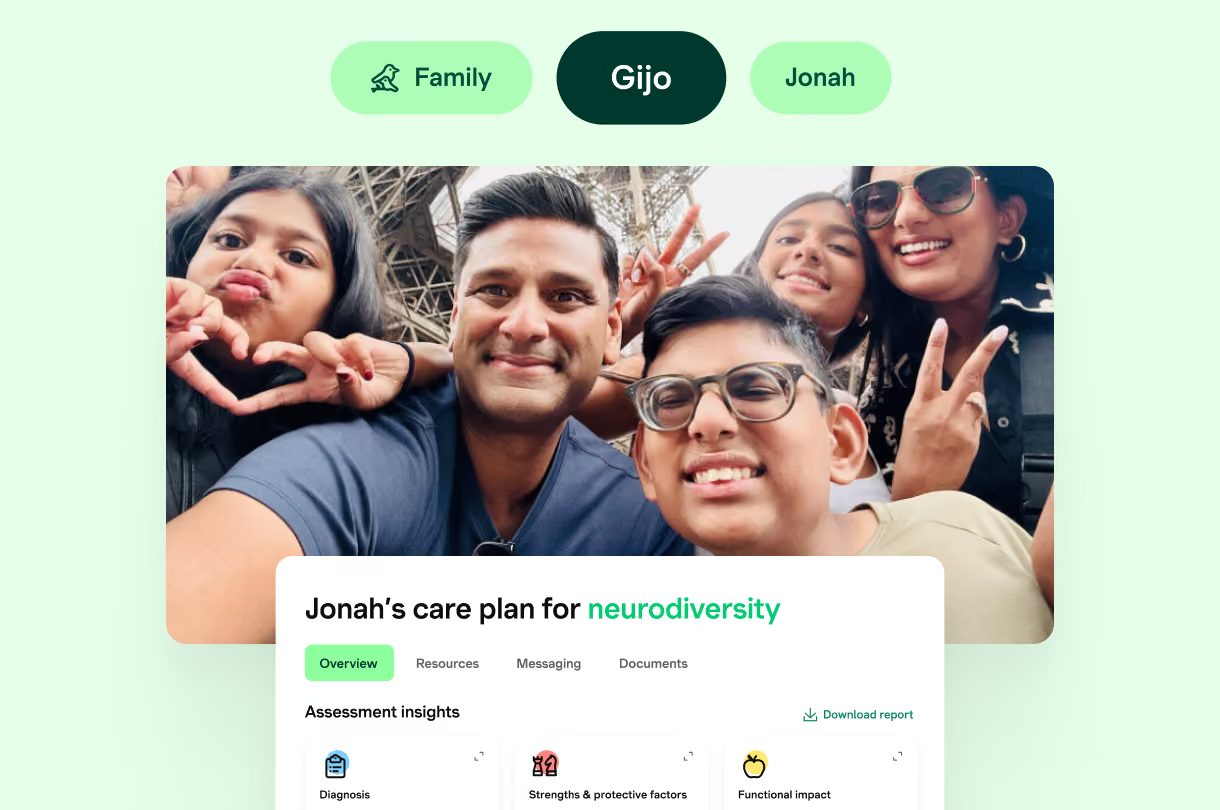
Neurodiversity is not the same as mental health, but the two can overlap. A strong workplace mental health strategy should make it easier for neurodivergent employees and their families to access personalized, affirming support, including therapy, coaching, family support, medication management when appropriate, and care navigation.




.avif)
.png)
.png)


.avif)
.avif)


.avif)
.avif)



.avif)



.avif)