Precision-based mental health
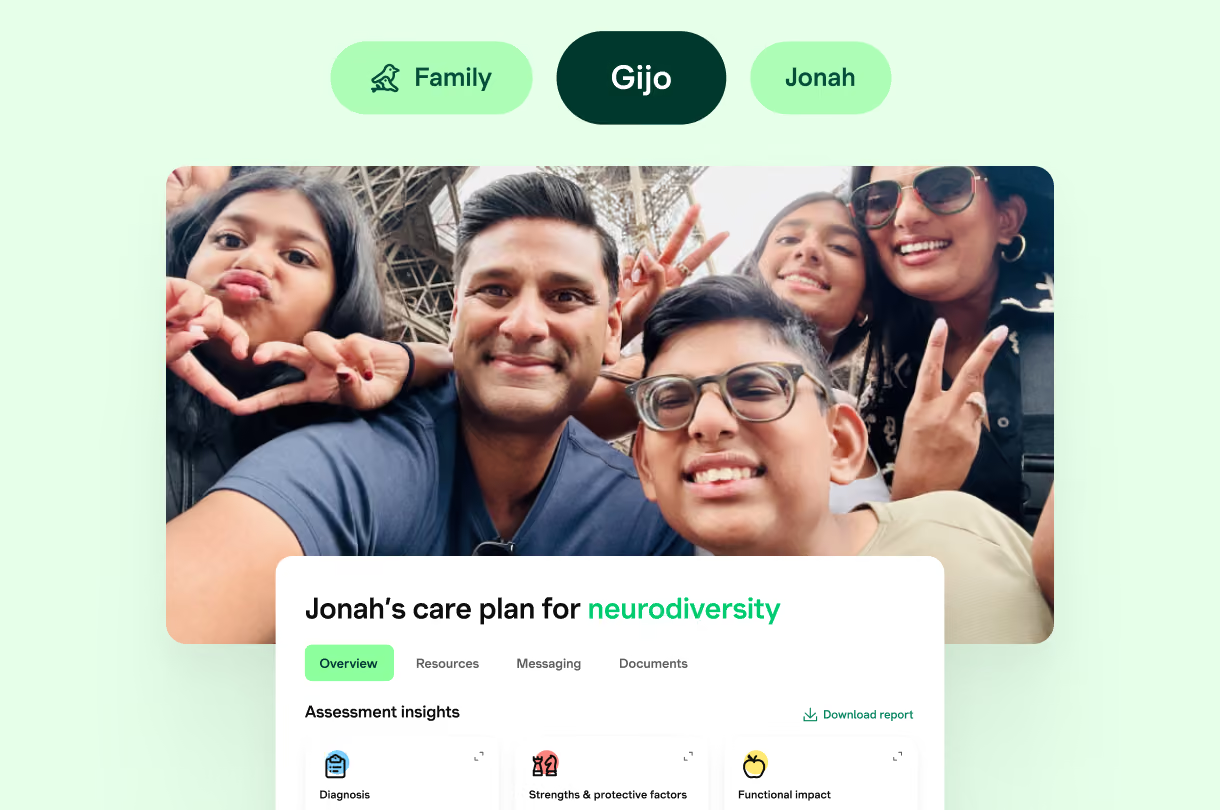
Precision mental healthcare is an approach that uses data, clinically validated assessments, and care matching to help people get the right level of mental health support for their needs. Instead of treating mental health care as one-size-fits-all, precision-based models consider a person’s symptoms, preferences, goals, risk level, and care history when recommending treatment, providers, or resources.
This approach can help people start with care that is more likely to fit, whether that means therapy, coaching, medication management, self-guided support, specialty care, or a higher level of care. It also supports a more responsive care plan, because needs can change over time and care should be able to change with them.Precision mental healthcare works best when it is paired with measurement-based mental health. Ongoing assessment and progress tracking help providers understand whether care is working, adjust support when needed, and help people stay connected to the right care.For employers and health plans, precision-based mental health can strengthen access, engagement, and outcomes by helping people move beyond generic referrals or provider directories.
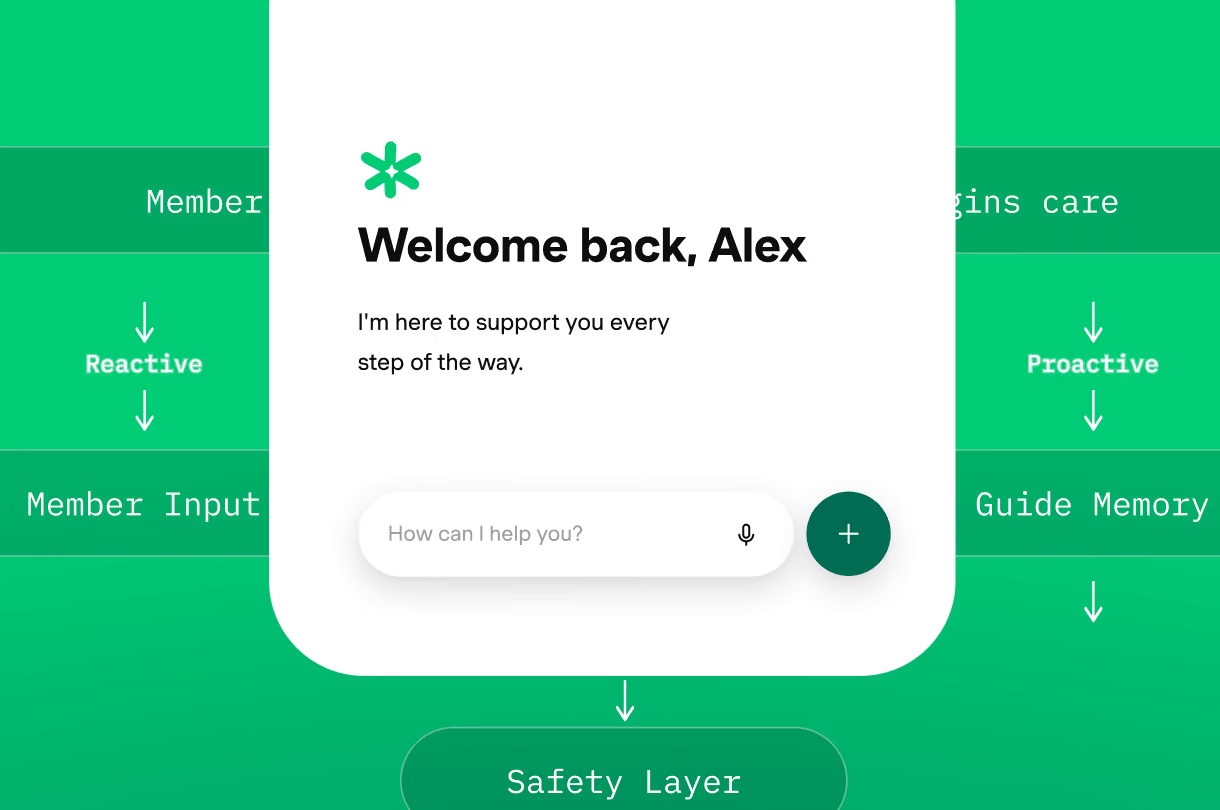
A stronger model connects assessment, provider matching, care navigation, and outcomes measurement so organizations can better understand whether their mental health solution is helping people improve.




.avif)
.png)
.png)


.avif)
.avif)



.avif)
.avif)



.avif)



.avif)