Jump to section
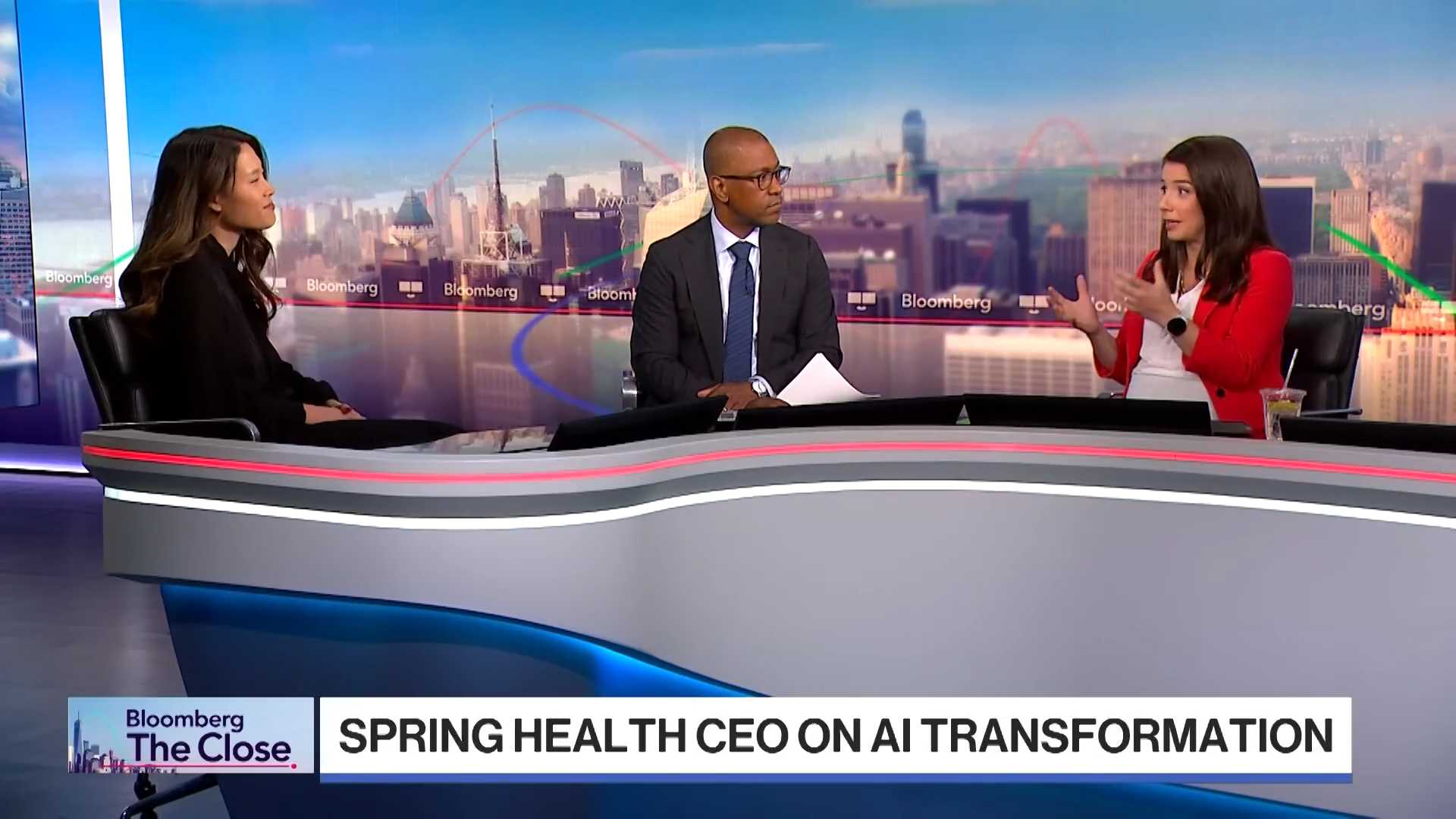
Spring Health, a global mental health company built on one AI-native platform, was featured by Forbes in a video interview with Chief Product Officer Gijo Mathews, hosted by Forbes editor Maggie McGrath. The conversation addresses one of the most consequential questions in mental health technology right now: as generative AI becomes more capable and more widely used, how do you ensure it is safe for people in psychological distress?
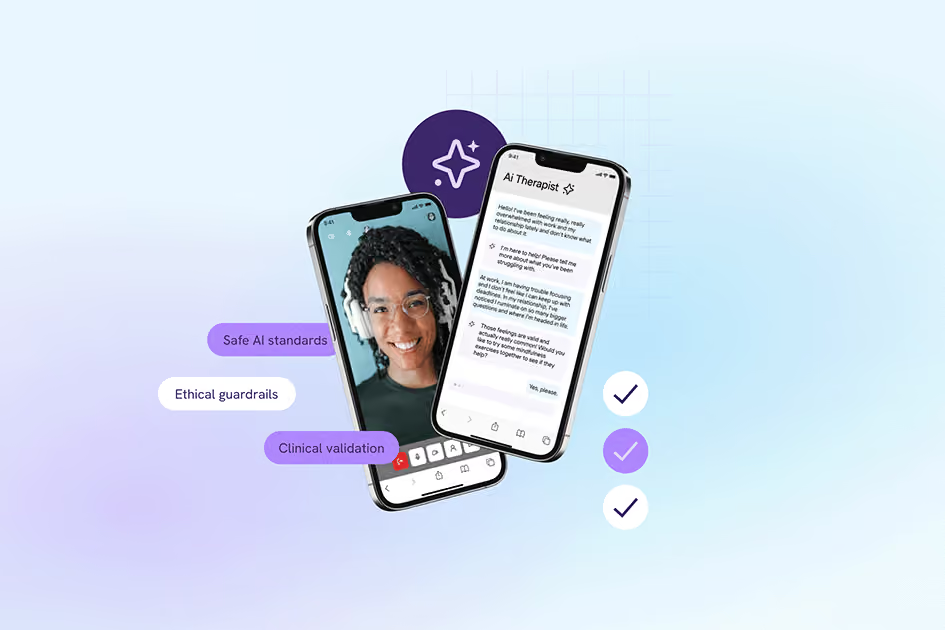
McGrath opened by noting that allegations linking ChatGPT to individual tragedies have surfaced month after month — a backdrop that gave the conversation immediate stakes. Mathews described how Spring Health identified a critical gap: there was no industry standard for evaluating whether AI could operate safely in mental health contexts. In response, Spring Health developed VERA-MH, an open-source evaluation framework for AI in mental health, in collaboration with a cross-disciplinary council of academic, technology, and healthcare leaders. The framework evaluates whether AI chatbots can detect suicide risk, confirm that risk through follow-up, guide users to human care, and maintain clinically appropriate boundaries. Mathews noted that Spring Health brought its AI systems in-house rather than relying on external LLMs, governing them under HIPAA and SOC 2 standards and ensuring patient data is not used for external training. "Regulations usually are the bare minimum that we have to do," he said. "That's why we institute things like VERA-MH — setting the bar a lot higher."
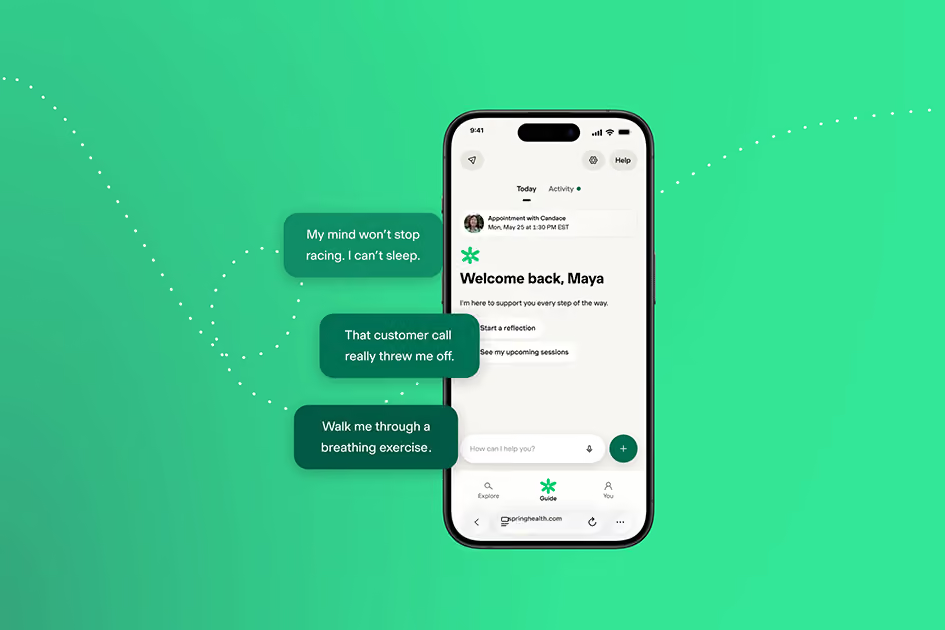
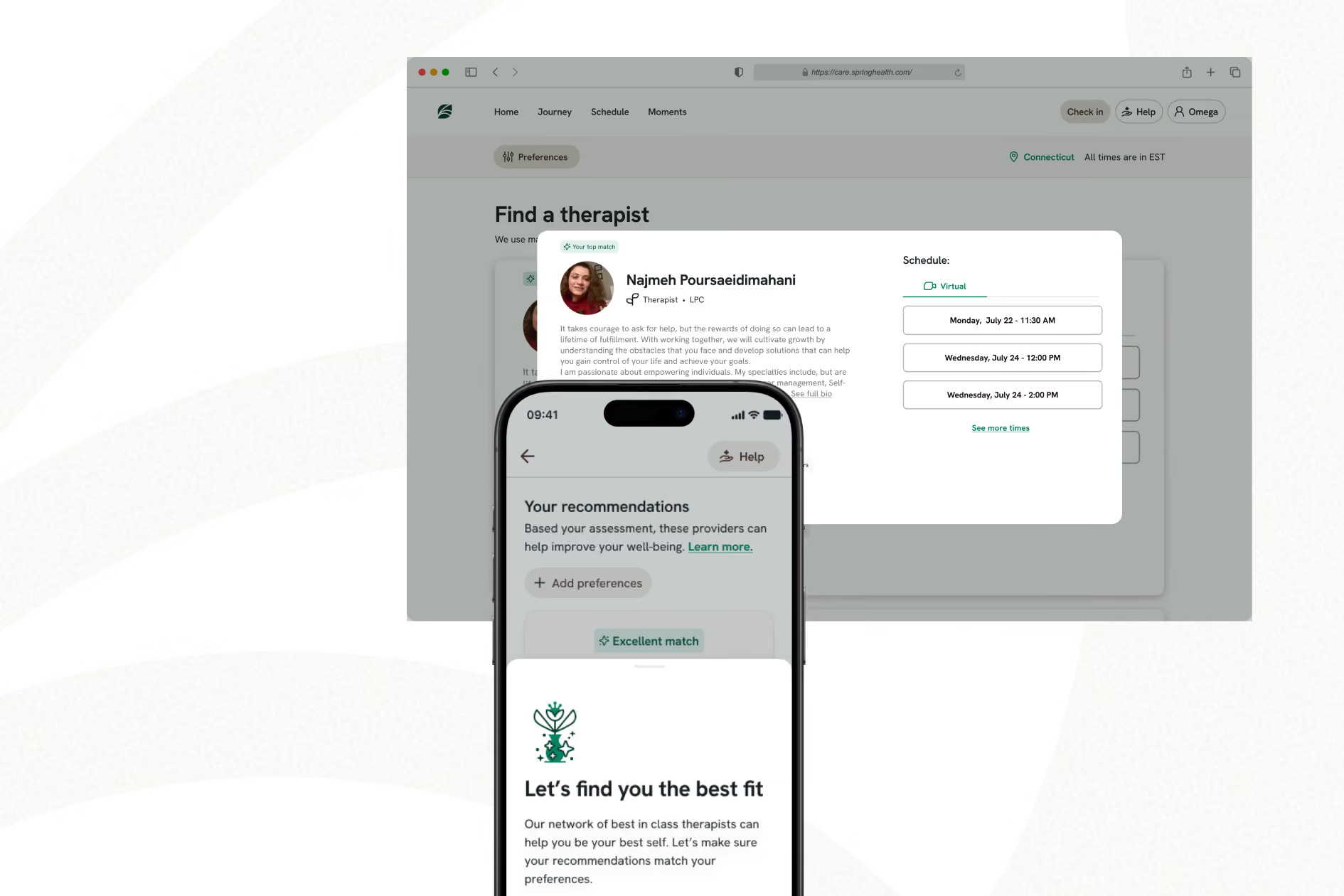
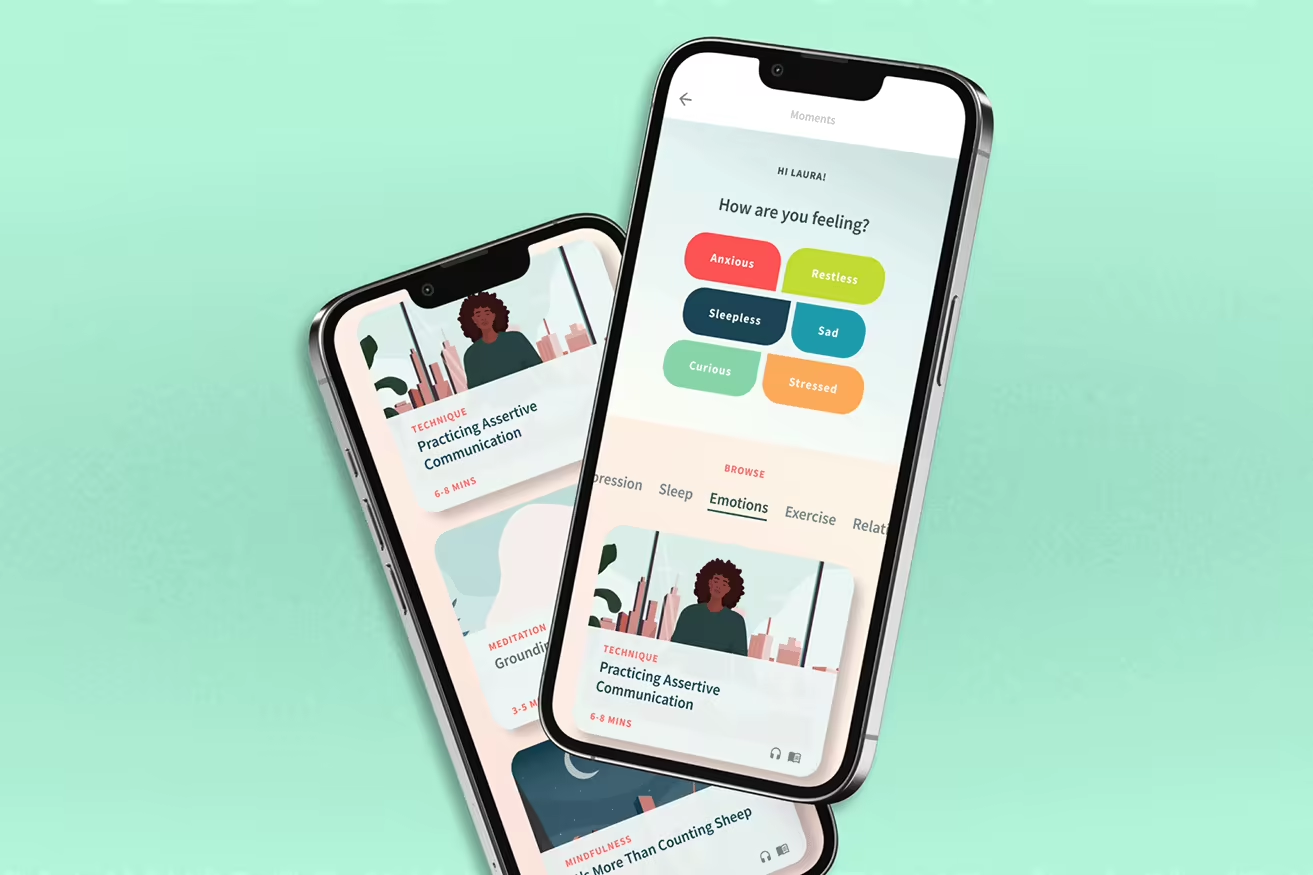
The interview also covers Spring Health's model of continuous care: using AI to support members between therapy sessions through session preparation, note-taking, and structured follow-up exercises — all anchored to human provider relationships rather than replacing them. Mathews cited a Brown University study finding that 46% of adults have used a general-purpose LLM for mental health support off-label, describing this as pent-up demand that Spring Health's guardrailed, purpose-built AI is designed to meet safely. "The whole company started on this idea of precision matching you with the right provider," he said. "The only way to do that at scale is to leverage technology at the front end and bring people into a level of care that can then continue to use our precision matching to drive them to the right provider."
Watch the full Forbes video at forbes.com









.avif)